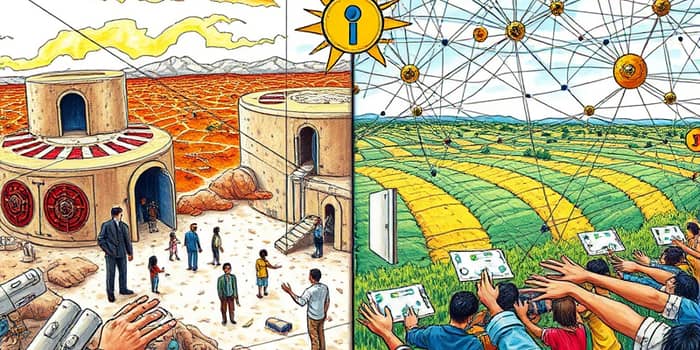
In today’s interconnected world, markets oscillate between narrow competition and expansive collaboration. Understanding how to move beyond fear-driven tactics toward a mindset of collective growth can reshape industries and societies.
Understanding Scarcity in Markets
Scarcity is more than a supply constraint; it’s a lens through which businesses and consumers view possibilities. When resources appear limited, decision makers experience heightened stress and pursue only immediate gains.
Research shows that scarcity triggers artificial urgency, driving impulsive purchases and regret. The classic wine study revealed that labeling bottles as “limited edition” boosted perceived value by up to 200%. During the COVID-19 pandemic, panic buying of essentials like toilet paper illustrated how shortage mindsets can spiral.
- Trade-off thinking: prioritizing short-term wins
- Zero-sum assumptions: one party’s gain is another’s loss
- Bandwidth tax: tunnel vision on immediate needs
In corporate settings, scarcity often manifests as hoarding information, reluctance to collaborate, and decisions driven by fear of loss rather than potential gain.
The Abundance Mindset Unveiled
Abundance reframes the pie as expandable, encouraging innovation, shared success, and long-term vision. This outlook fosters cooperation and unlocks new opportunities for all stakeholders.
Companies adopting this mentality report greater creativity and long-term focus. Patagonia’s “Don’t Buy This Jacket” campaign, paradoxically, boosted loyalty by promoting repair and reuse. Amazon’s relentless customer-centric expansion demonstrates how focusing on market growth rather than competitor elimination yields sustained gains.
- Win-win strategies: mutual benefit over zero-sum approaches
- Exponential growth: scaling value through collaboration
- Open ecosystems: sharing resources and insights freely
Even Apple blends scarcity (limited editions) with abundance (endless app ecosystem and cloud support), crafting a balanced approach that drives engagement without overwhelming users.
Psychology and Economics Driving Change
Scarcity can inflate perceived worth, but unlimited options without structure lead to choice paralysis. To succeed, markets need curated abundance to avoid paralysis, offering plentiful choices within a thoughtful framework.
Subscription services like Netflix and Spotify demonstrate that well-curated libraries keep users engaged far longer than endless, unfiltered catalogs. Economic data confirm that software firms offering “unlimited” features enjoy higher customer lifetime value, as users perceive ongoing upgrades rather than finite packages.
Shifting mindsets demands leadership that replaces hierarchical control with empowered teams, reframes competition as collective potential, and champions knowledge sharing over secrecy.
Strategies to Transition Markets from Scarcity to Abundance
Transforming a market environment requires intentional design and messaging. System architects should build platforms that connect insights, align incentives, and reward collaboration.
- Open innovation hubs: co-create solutions with partners and customers
- Empowerment cultures: recognize and reward cross-team knowledge exchange
- Inspirational messaging: highlight possibilities instead of instilling fear
Marketing must pivot from “limited-time offers” to narratives that emphasize growth and contribution. Internally, organizations should measure success not only by quarterly profits but also by how they emphasis on growing the pie for all participants.
At the policy level, encouraging broad wealth creation through accessible financing and inclusive regulations can foster generative markets that benefit entire communities.
Addressing Challenges and Criticisms
Abundance messaging can seem tone-deaf if communities face real shortages. It’s crucial to acknowledge genuine constraints while proposing growth pathways.
Moreover, the paradox of choice warns that unchecked options inhibit action. Temporarily imposed scarcity sometimes spurs innovation when teams must invent workarounds under constraints.
Finally, abundance in one realm can create scarcity elsewhere: an explosion of data demands sophisticated analytics to extract value—highlighting the need for balanced resource management.
Quantitative Insights
Key metrics illustrate the power of abundance thinking and its impact on markets and incomes.
Studies show that perceived value can rise by 200% under scarcity messaging. Conversely, individuals who embraced openness and generosity saw incomes jump from $38,000 a year to over $120,000, underscoring how transform setbacks into growth opportunities when adopting an abundance approach.
Practical Applications
Organizations should implement systems that facilitate real-time data sharing and cross-functional collaboration, ensuring insights flow freely. Leadership training must emphasize empowerment and trust-building over command-and-control.
Individuals can cultivate abundance by practicing gratitude, reframing failures as lessons, and seeking partnerships that amplify impact. Small daily habits—like sharing expertise or celebrating peers—reinforce a mindset of collective gain.
Policymakers can accelerate the transition by incentivizing open markets, reducing barriers to entry, and supporting educational programs that emphasize collaboration skills alongside technical training.
By embracing abundant thinking, markets can unlock new innovations, strengthen communities, and create sustainable value far beyond the limitations of scarcity.
References
- https://winsomemarketing.com/winsome-marketing/scarcity-vs.-abundance-mindsets-in-marketing-fear-or-empowerment
- https://www.shula.ca/the-secret-shift-scarcity-abundance/
- https://abacuswealth.com/transforming-your-money-mindset-shifting-from-scarcity-to-abundance/
- https://www.socialsectortitan.com/home/abundance-vs-scarcity-mindset-in-the-social-sector
- https://www.strategiccoach.com/resources/the-multiplier-mindset-blog/mindset-matters-abundance-mindset-vs-scarcity-mindset
- https://momonpurpose.com/scarcity-vs-abundance/
- https://www.kitces.com/blog/financial-planning-and-building-an-advisory-firm-with-an-abundance-vs-scarcity-mindset/
- https://thehelpfulacademy.com/from-scarcity-to-abundance-how-shifting-your-money-mindset-can-help-your-small-business-fly-through-tough-times/
- https://www.wazoku.com/blog/scarcity-vs-abundance-in-innovation-unleashing-collective-intelligence-through-human-and-synthetic-collaboration/
- https://corporateescapeartist.com/shift-from-scarcity-to-abundance-mindset/
- https://www.mountaingoatsoftware.com/blog/shifting-from-scarcity-to-abundance-thinking
- https://effectivedatabase.com/every-abundance-creates-a-new-scarcity/
- https://moneywithkatie.com/shifting-your-money-mindset-from-scarcity-to-abundance/
- https://positivepsychology.com/scarcity-mindset/